Ten years after the world agreed in Rwanda to phase down hydrofluorocarbons (HFCs), implementation remains a challenge for people whose livelihoods, healthcare and economic opportunities depend on access to reliable cooling.
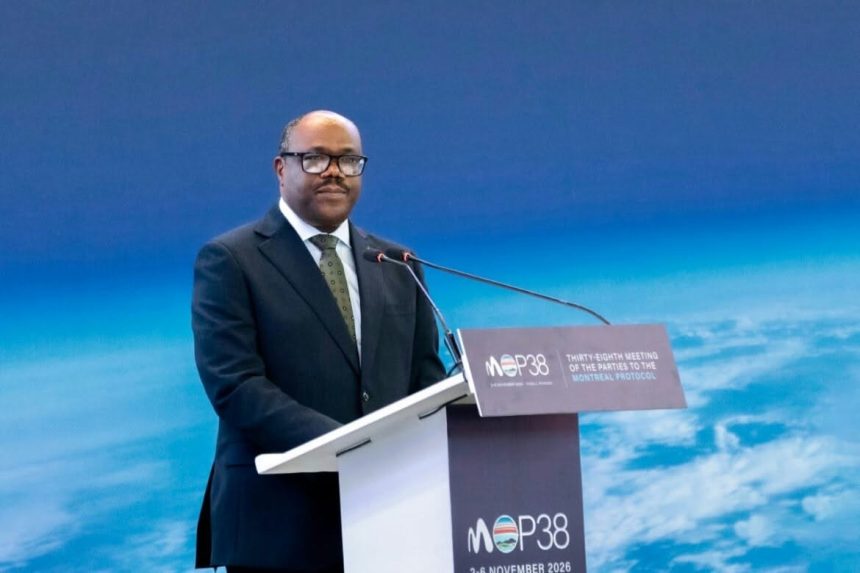
During a high-level segment of the 38th Meeting of the Parties to the Montreal Protocol (MOP38) on November 5, Prime Minister Justin Nsengiyumva highlighted this gap and challenged countries to address it.
The Kigali Amendment is seen as a major international environmental breakthrough, committing to gradually reduce the production and consumption these powerful greenhouse gases widely used in refrigeration and air conditioning
Farmers struggle to preserve their harvests, health facilities require dependable refrigeration for vaccines and essential medicines, access to cooling facilities remains a challenge, particularly in Africa, where electricity supply is still limited or unreliable in many communities.
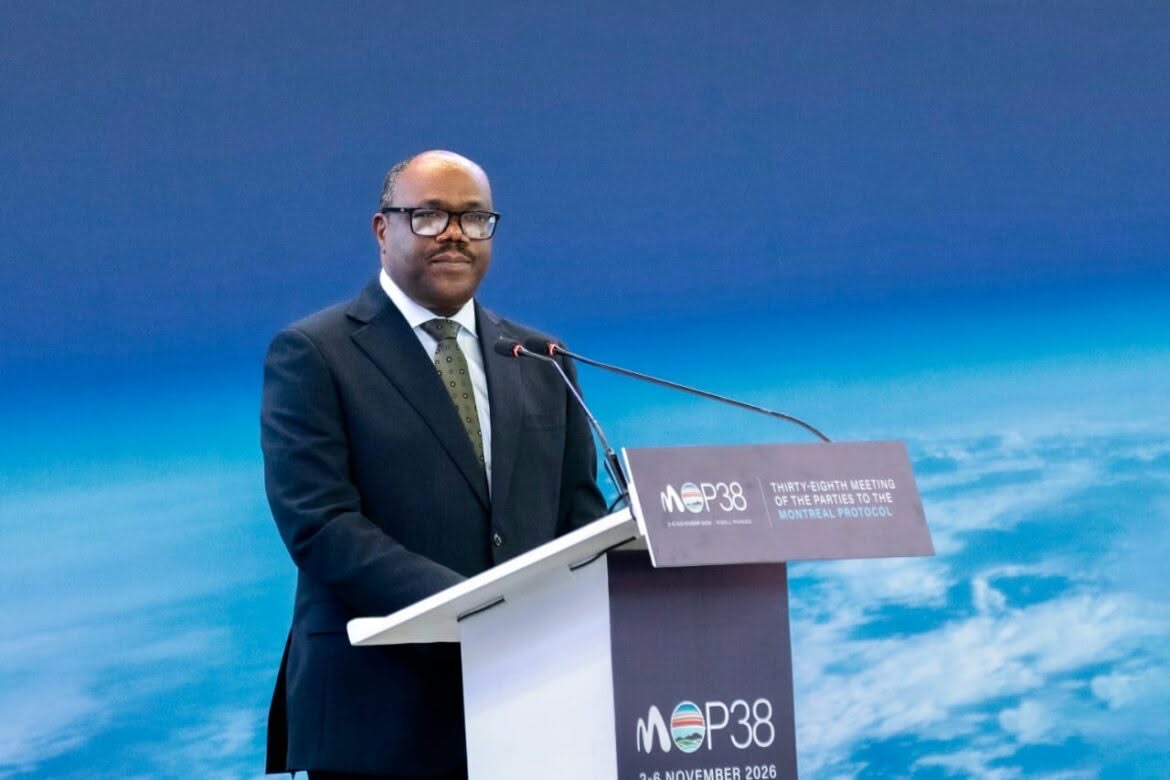
However, PM Nsengiyumva suggests that the achievement should not become a reason for complacency, saying the next phase must demonstrate that global environmental cooperation can deliver tangible improvements in people’s lives
That means this transition must go beyond replacing one technology with another. It must also build the infrastructure, develop the skills and nurture the industries that enable countries to fully benefit from sustainable cooling,” he said.
For farmers, he explained, reliable cold storage can determine whether produce reaches the market or is lost after an entire season’s labor. In healthcare, it can mean ensuring that life-saving vaccines and essential medicines reach even the most remote communities.
For developing countries, this presents a particularly important challenge of expanding access to cooling while ensuring that the technologies supporting that expansion do not undermine efforts to address climate change.
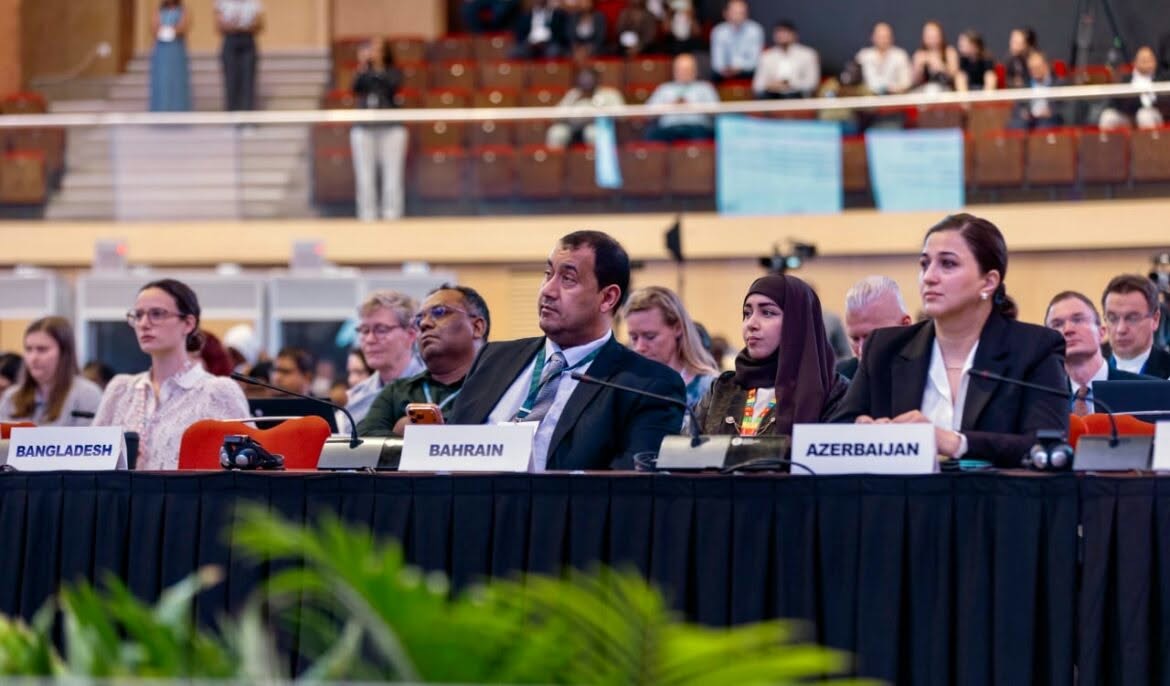
Rwanda seeks to contribute to that effort through the Africa Centre of Excellence for Sustainable Cooling and Cold-chain (ACES), established with a pan-African vision to bring together research, training, technology development and practical application.