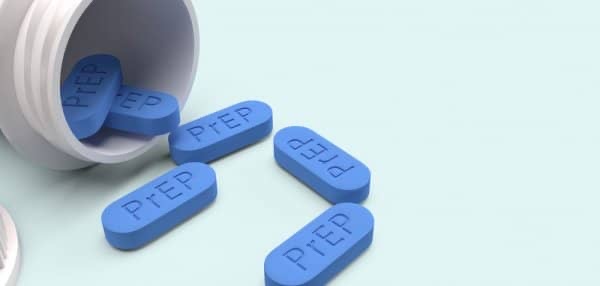
Pre-Exposure Prophylaxis (PrEP) is an effective HIV prevention method that can reduce the risk of acquiring HIV by up to 99% when taken correctly, particularly among people who may be at increased risk of infection.
Health experts say PrEP is an important development in the global fight against HIV/AIDS, offering an additional layer of protection alongside other HIV prevention measures.
Who Can Use PrEP?
People considering PrEP are advised to consult a healthcare professional before starting the medication. In Rwanda, eligibility includes meeting the recommended weight requirement of more than 35 kilograms and testing negative for HIV.
An HIV test is essential before starting PrEP to ensure that the individual is not already living with the virus. A healthcare provider also assesses the person’s health and provides guidance on the appropriate prevention method.
How Should PrEP Be Used?
Before beginning PrEP, individuals should receive medical advice and undergo an HIV test.
Those using the medication are generally advised to visit a healthcare facility every three months for follow-up appointments. These visits help healthcare professionals monitor possible side effects, conduct HIV testing and provide guidance on the proper use of the medication.
Users should also be informed about HIV self-testing and available digital healthcare services, including consultations conducted by telephone or other online platforms.
Where face-to-face consultations are difficult, remote healthcare services may help users maintain contact with healthcare providers and receive appropriate follow-up support.
When Should Someone Stop Taking PrEP?
People who wish to discontinue PrEP, whether because of side effects, difficulties following the prescribed schedule or a reduction in their risk of HIV exposure, are advised to consult a healthcare professional.
A medical provider can help determine the safest way to stop using the medication and discuss alternative prevention options where necessary.
Anyone wishing to restart PrEP after stopping should undergo another HIV test and receive medical guidance before resuming the medication.
Important Precautions When Using PrEP
Although PrEP is highly effective in preventing HIV infection, it is not designed to prevent infection after a possible exposure has already occurred.
People who may have been exposed to HIV within the previous 72 hours should seek immediate medical attention to assess whether they need Post-Exposure Prophylaxis (PEP), an emergency prevention treatment that must be started within 72 hours of possible exposure.
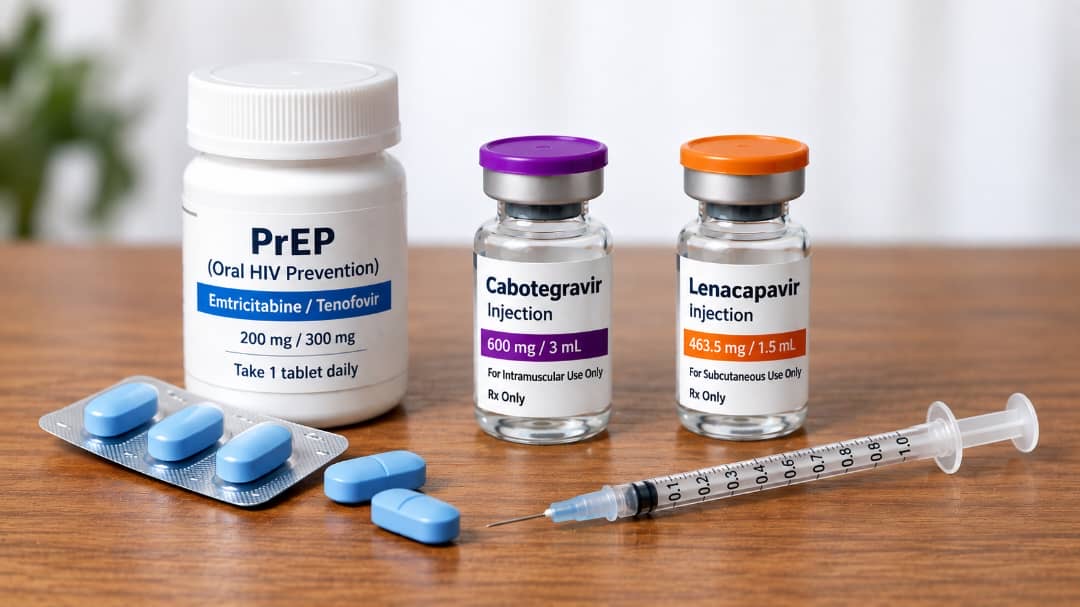
Some PrEP users may also be eligible for event-driven or on-demand PrEP. This involves taking medication around periods of potential HIV exposure. However, this approach is not suitable for everyone, and its effectiveness depends on the medication, the person’s circumstances and following an approved dosing schedule. It should only be used under professional medical guidance.
Availability of PrEP in Rwanda
PrEP is available through various healthcare facilities in Rwanda, including hospitals, health centres and selected pharmacies.
According to figures cited in the information provided, approximately 5,000 to 5,500 people in Rwanda are currently using PrEP.
A Major Step in HIV Prevention
PrEP continues to play an important role in reducing the spread of HIV, particularly as public health programmes increasingly focus on preventing new infections rather than relying solely on treatment.
When used correctly and consistently, oral PrEP can reduce the risk of acquiring HIV through sex by approximately 99%.
However, PrEP does not protect against other sexually transmitted infections or prevent pregnancy. Health professionals therefore encourage people to seek appropriate medical advice and combine HIV prevention strategies where necessary.
As Rwanda continues strengthening its HIV prevention efforts, increased awareness and access to PrEP could help protect more people and contribute to the country’s broader goal of ending the HIV epidemic.