November 18, 2026 The Rwanda Transport Development Agency (RTDA) hosted a 17 member delegation from The Gambia to exchange knowledge and experience in road infrastructure management, land acquisition and resettlement planning.
The delegation brought together representatives from the Gambia’s Ministry of Finance and Economic Affairs, National Roads Authority, National Water and Electricity Company (NAWEC) and Central Projects Coordination Unit (CPCU). officials discussed how institutions can manage the environmental and social impacts of road construction while protecting the rights of affected communities.
Officials Discuss Road Infrastructure Safeguards
The discussions covered several important areas, including Environmental and Social Safeguards (ESS), property valuation, fair compensation, community engagement and contractor safety.
Participants also examined how Resettlement Action Plans (RAPs) guide land acquisition and support people affected by infrastructure projects.
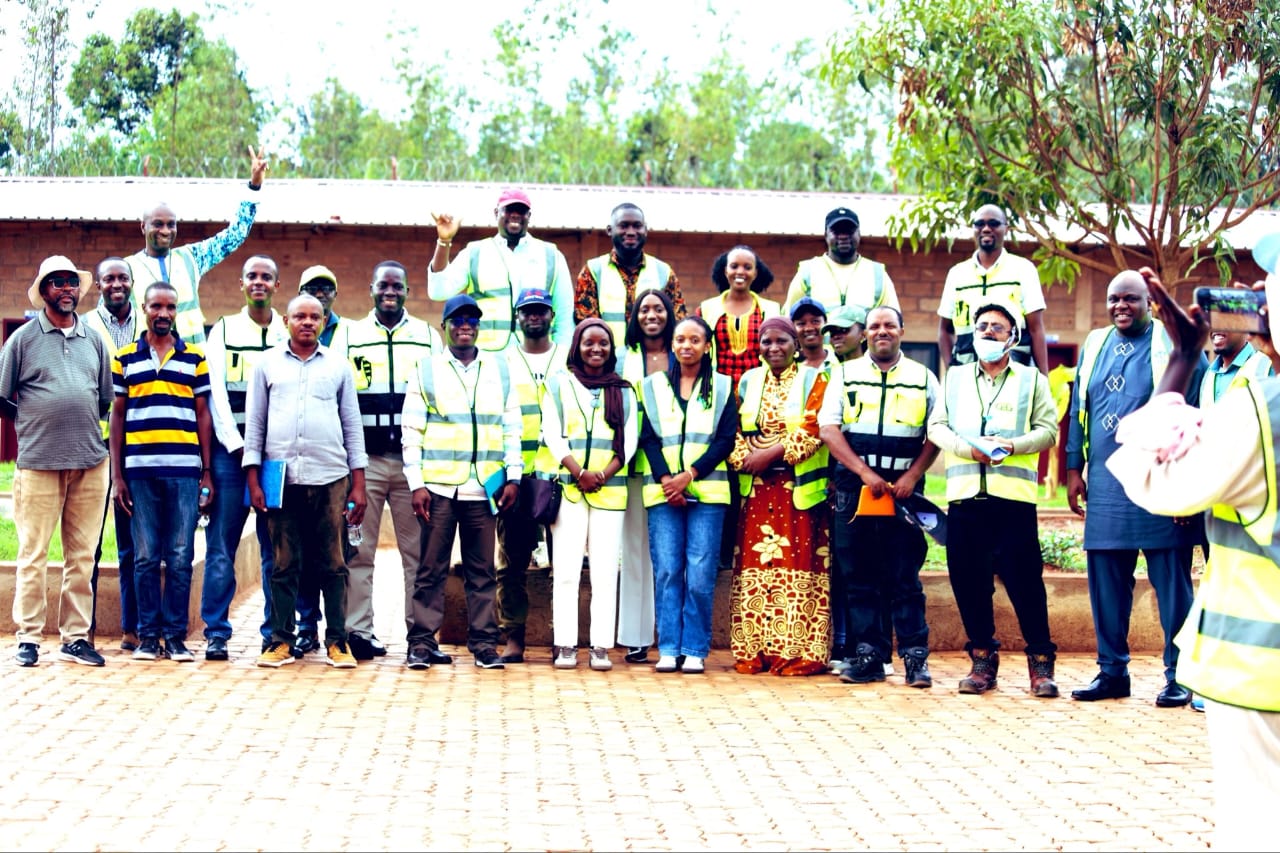
They highlighted the importance of timely compensation and transparent property valuation in protecting Project-Affected Persons (PAPs). They also explored how Grievance Redress Committees help communities raise concerns, resolve disputes and hold project stakeholders accountable.
Gambian Delegation Visits KLP Project
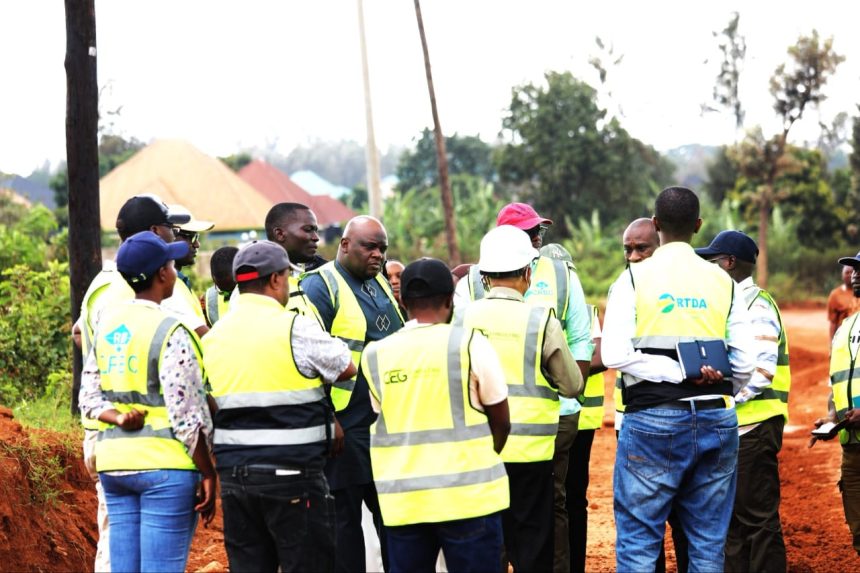
Following the discussions, the delegation visited the KLP Project to observe Rwanda’s practical approaches to managing land acquisition and resettlement in high-density areas.
During the field visit, the delegates engaged with local Grievance Redress Committees to understand how they receive complaints and address concerns from affected communities.
They also inspected ongoing civil works and examined how contractors implement occupational health and safety measures and comply with project requirements.
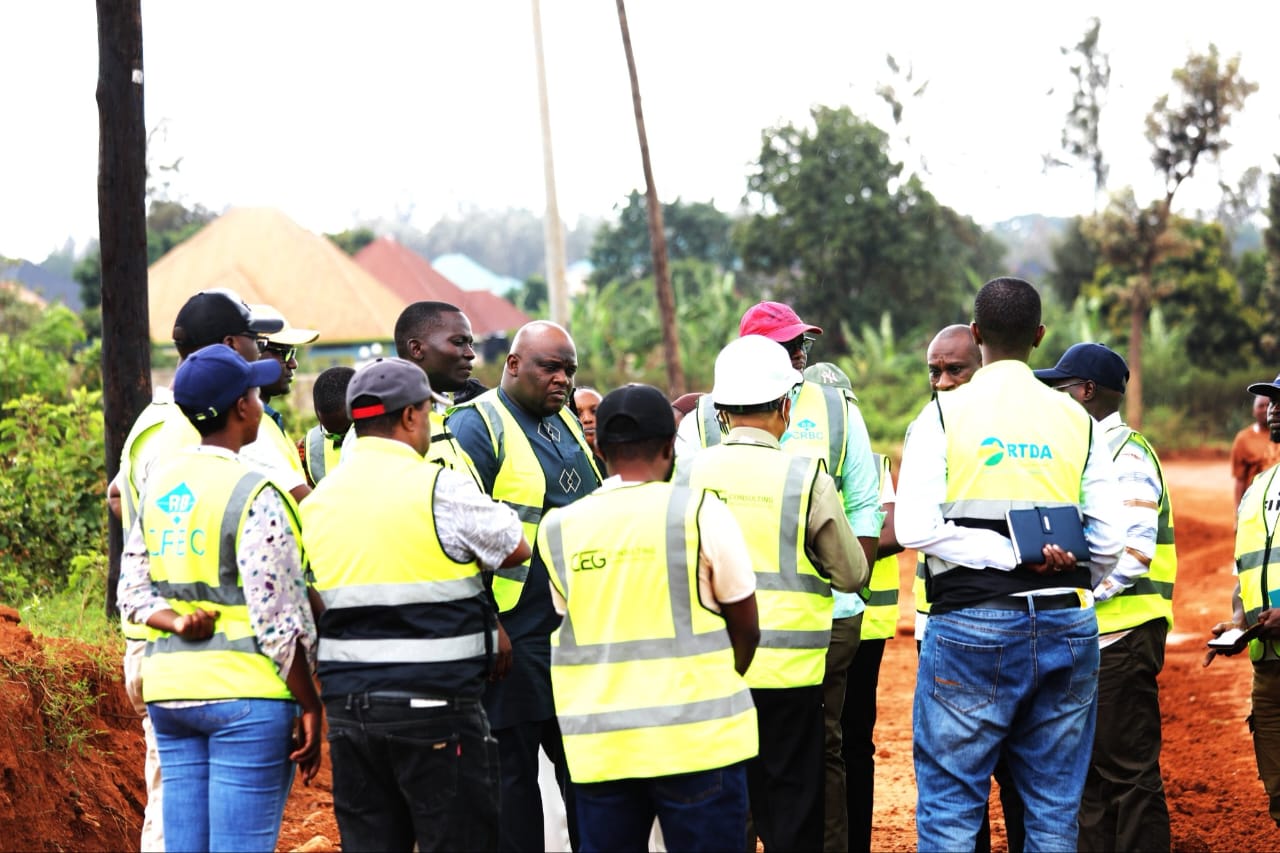
The visit allowed the delegation to connect institutional discussions with practical experiences from an active infrastructure project.
Rwanda and The Gambia Strengthen Infrastructure Cooperation
The engagement created an opportunity for both countries to exchange experiences and strengthen institutional knowledge in road infrastructure management.the exchange highlighted the importance of integrating environmental and social safeguards into infrastructure advancement to ensure that road projects benefit communities while reducing negative impacts.