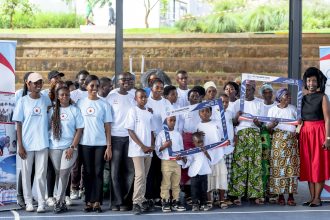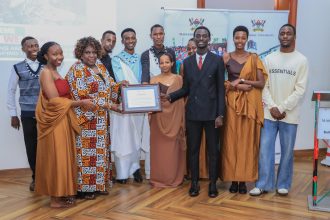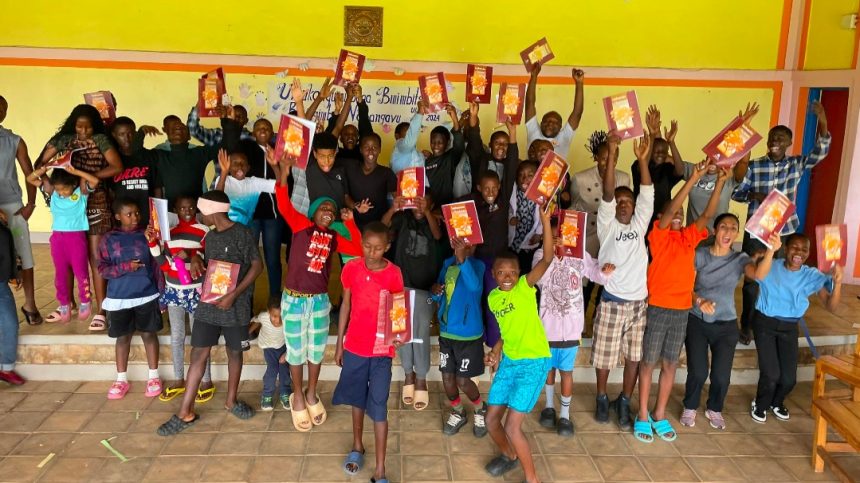
The development of a peaceful, inclusive, and prosperous society depends not only on strong institutions, sound policies, and economic opportunities, but also on the qualities, attitudes, and capabilities of its people.
In particular, the values and habits cultivated during childhood and adolescence plays significant role in shaping the kind of society future generations will build.
In Rwanda, where considerable attention is given to national unity, gender equity, youth empowerment, reconciliation, and sustainable community development, nurturing these qualities from an early age is particularly important.
Among the initiatives contributing to this effort are the Bahá’í children’s classes and the Junior Youth Spiritual Empowerment Program. Rooted in the conviction that every human being possesses inherent nobility and the capacity to contribute to the betterment of society, these initiatives seek to develop not only intellectual abilities but also the moral qualities, attitudes, and sense of responsibility needed to become constructive members of society.
The two programs form complementary stages of an educational process that encourages children and young people to recognize their potential and use their capabilities in service to others.
Building the Foundations of Character: Bahá’í Children’s Classes
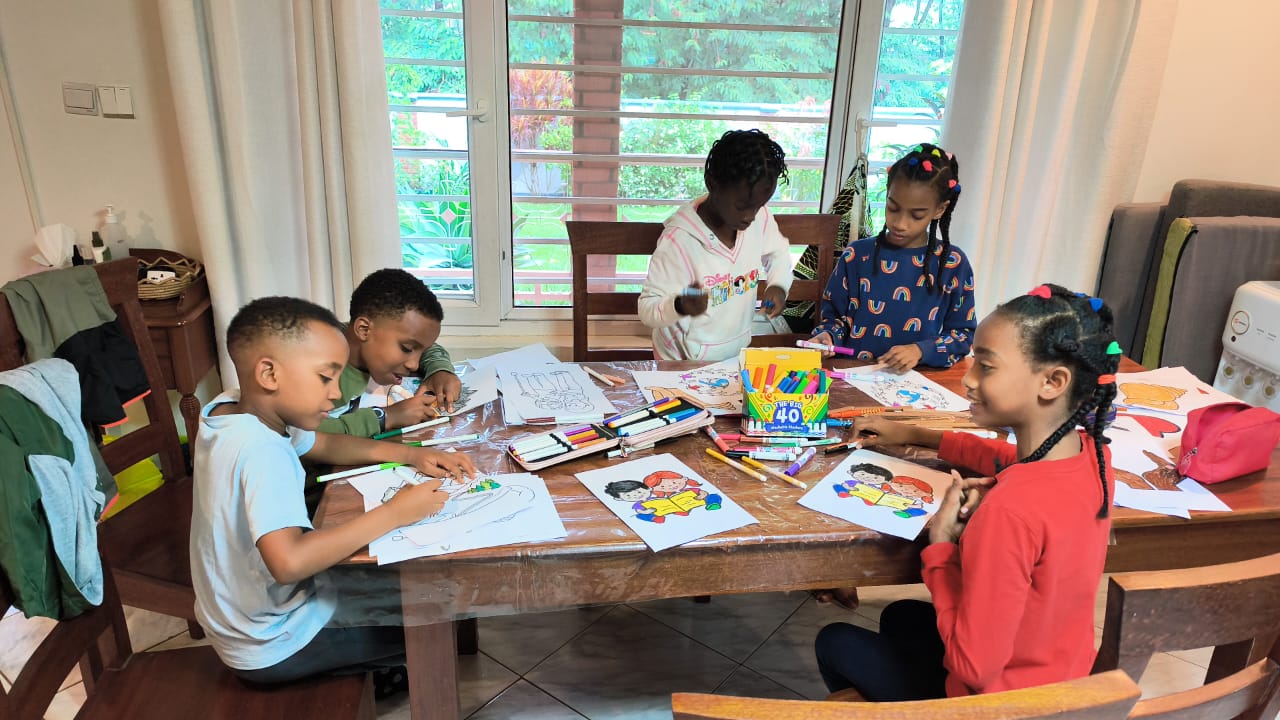
Bahá’í children’s classes serve children between the ages of 5 and 10. Their purpose extends beyond conventional education. Through stories, songs, prayer, games, artistic activities, and cooperative exercises, children are introduced to spiritual and moral qualities that can guide their relationships with others and their understanding of the world.
Qualities of Justice, truthfulness, kindness, compassion, patience, courage, and trustworthiness are explored in ways appropriate to children’s stages of development. Rather than simply learning about virtues, children are encouraged to recognize how they can put them into practice at home, at school, and in their communities.
Nasim, a Baha’i children’s class teacher, shared the following experience illustrating the gradual transformation that can take place through participation in these classes:
One of the young boys in our class struggled to engage with the lessons. He often made negative comments, resisted instructions, and sometimes experienced intense moments of anger directed towards his friends or me.
Over the course of a year, however, we witnessed a remarkable transformation. He began staying in class from beginning to end, and his relationships with both his peers and me improved significantly. The outbursts of anger and frustration gradually disappeared, and he even began volunteering to offer prayers for the class.
Empowering Adolescents to Become Agents of Positive Change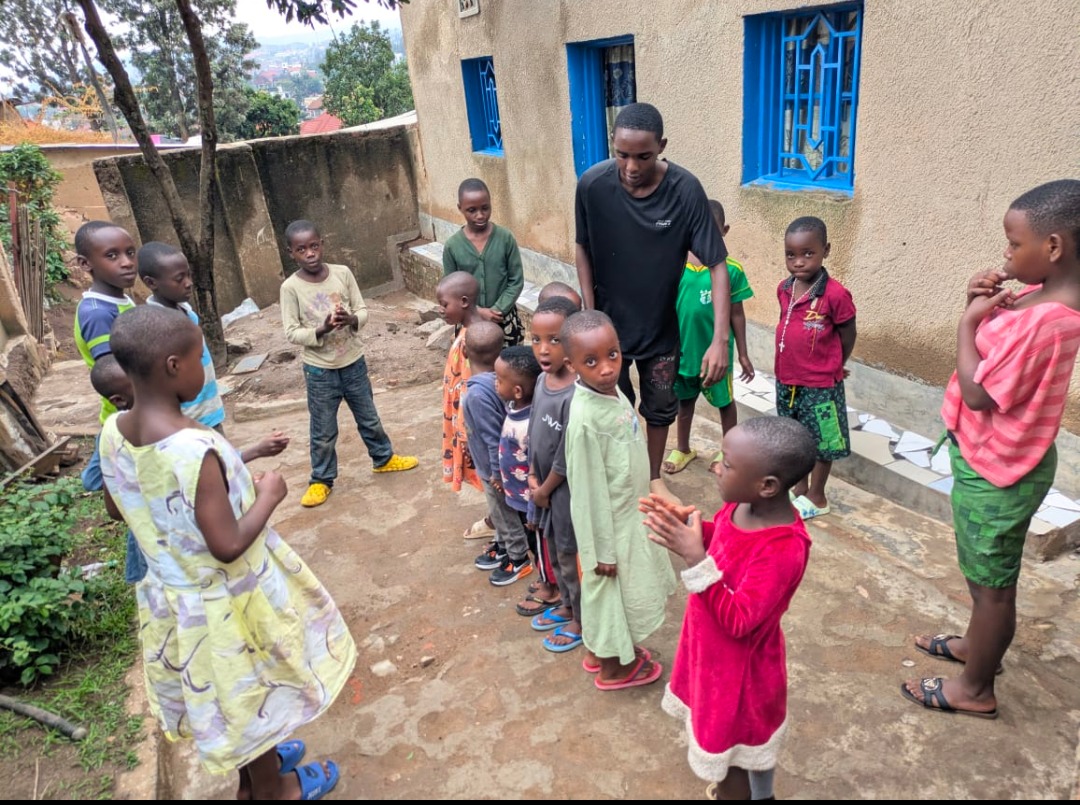
As children enter adolescence, they encounter increasingly complex questions about identity, relationships, social expectations, and their future roles in society. Providing them with opportunities to develop the capacity to think independently, make sound decisions, and contribute meaningfully to their communities is therefore particularly important.
The Junior Youth Spiritual Empowerment Program, designed primarily for young people between the ages of 11 and 15, addresses this important stage of development. this is three-year educational process often facilitated by older youth known as animators.
Through the study of specially developed materials, discussion, reading, writing, cooperative activities, and community service, participants strengthen their intellectual and spiritual capacities.
An important feature of the program is its emphasis on helping junior youth understand themselves as individuals with the capacity to influence the world around them. Rather than viewing adolescents simply as recipients of education or beneficiaries of development initiatives, the program encourages them to recognize themselves as protagonists of their own development and contributors to the advancement of their communities.
The impact of the program is perhaps best understood through the reflections of the young people themselves. In a recent interview in Kigali, several participants described how their involvement has influenced the way they think, relate to others, and approach everyday challenges.
A young man named Naim spoke about how the program has improved his decision-making.
It made me think twice before I make a decision to see if it aligns with the principles that I have learned in the books.”
Young man named Jad shared
In this program I learnt humility and learn from others, wherever they come from, whatever religion or ethnicity they have. I should be ready to learn from them.”
A young woman named Akilah shared how she learned patience in the program:
When people said things, I jumped to conclusions about why they were saying that, and I learnt to wait to see why they are saying that and think how to handle it in a calmer way.
Reflecting on the change in his confidence, Hope said
The program changed how I express my thoughts in front of people. I used to be terrified to express them, but after I joined, that has improved.”
These reflections illustrate how the program helps young people develop qualities that extend beyond personal growth.
The ability to make thoughtful decisions, appreciate different perspectives, exercise patience, and express oneself with confidence can strengthen relationships and enable young people to contribute more constructively to their communities.
Strengthening the Fabric of Rwandan Society
Together, the two programs help establish a progression from learning about virtues to practicing them and, eventually, applying them in service to others. The qualities being cultivated have direct relevance to the aspirations of Rwandan society.
A young person who learns to respect the dignity of others contributes to a culture of inclusion and gender equity. One who develops the capacity to resolve disagreements peacefully helps strengthen relationships within families and communities.
Young people who learn to work cooperatively, think critically, and take responsibility for their surroundings become better equipped to contribute to community development.
These contributions begin at the grassroots level. Children’s classes and junior youth groups bring together young people, families, and volunteers within neighborhoods and communities.
Their influence can therefore extend beyond individual participants to the relationships and social environments in which they live.
YOU CAN ALSO READ: https://rwandamonitor.com/kigali-bahais-celebrate-the-birth-of-bahaullah-founder-of-the-bahai-faith/
A Shared Responsibility for the Next Generation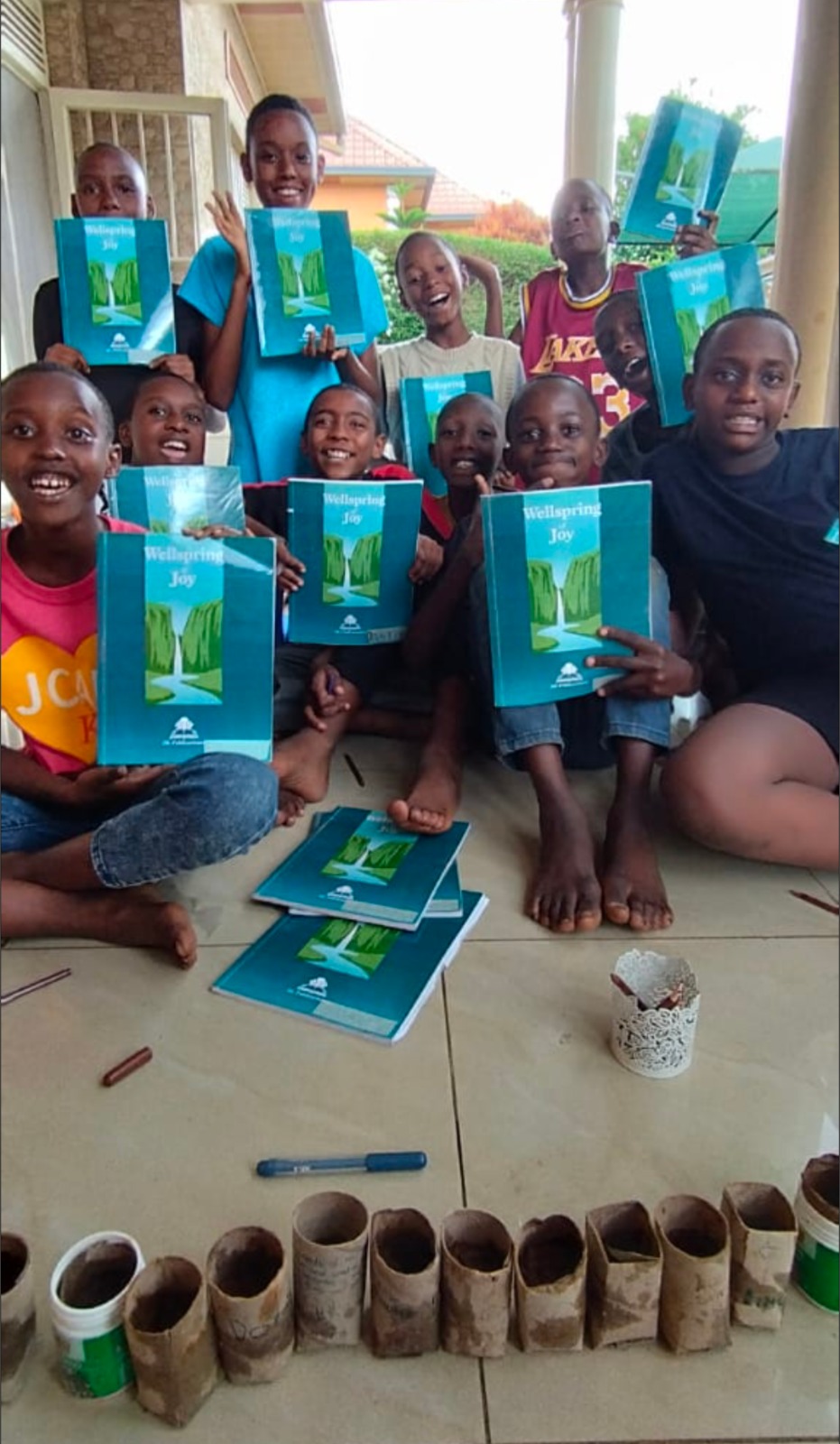
There is considerable value in creating opportunities for parents, educators, community leaders, and other stakeholders to learn about these initiatives and explore areas of common purpose.
The development of children and young people is not the responsibility of any single institution or organization. It is a shared undertaking that benefits from cooperation among all those concerned with the well-being of future generations.
Ultimately, the contribution of Bahá’í children’s classes and the Junior Youth Spiritual Empowerment Program lies in their understanding of education as a process that develops the whole person. Intellectual advancement is important, but it must be accompanied by moral growth, spiritual awareness, and a desire to serve humanity.
A child who learns to practice justice and kindness, a young person who develops the courage to make principled decisions, and a group of adolescents who work together to improve their neighborhood are all contributing, in their own ways, to the foundations of a more unified and peaceful society.
Nurturing such individuals is more than an investment in the future of children and young people; it is an investment in the future of Rwanda itself.
For more information about the Baha’i community in Rwanda, Visit: https://www.bahairwanda.org/
#BAHA”I COMMUNITY #RWANDA #SPIRITUAL #FAITH