The answer begins beneath our feet: healthy soils thanks to conservation agriculture accompanied with better farming practices.
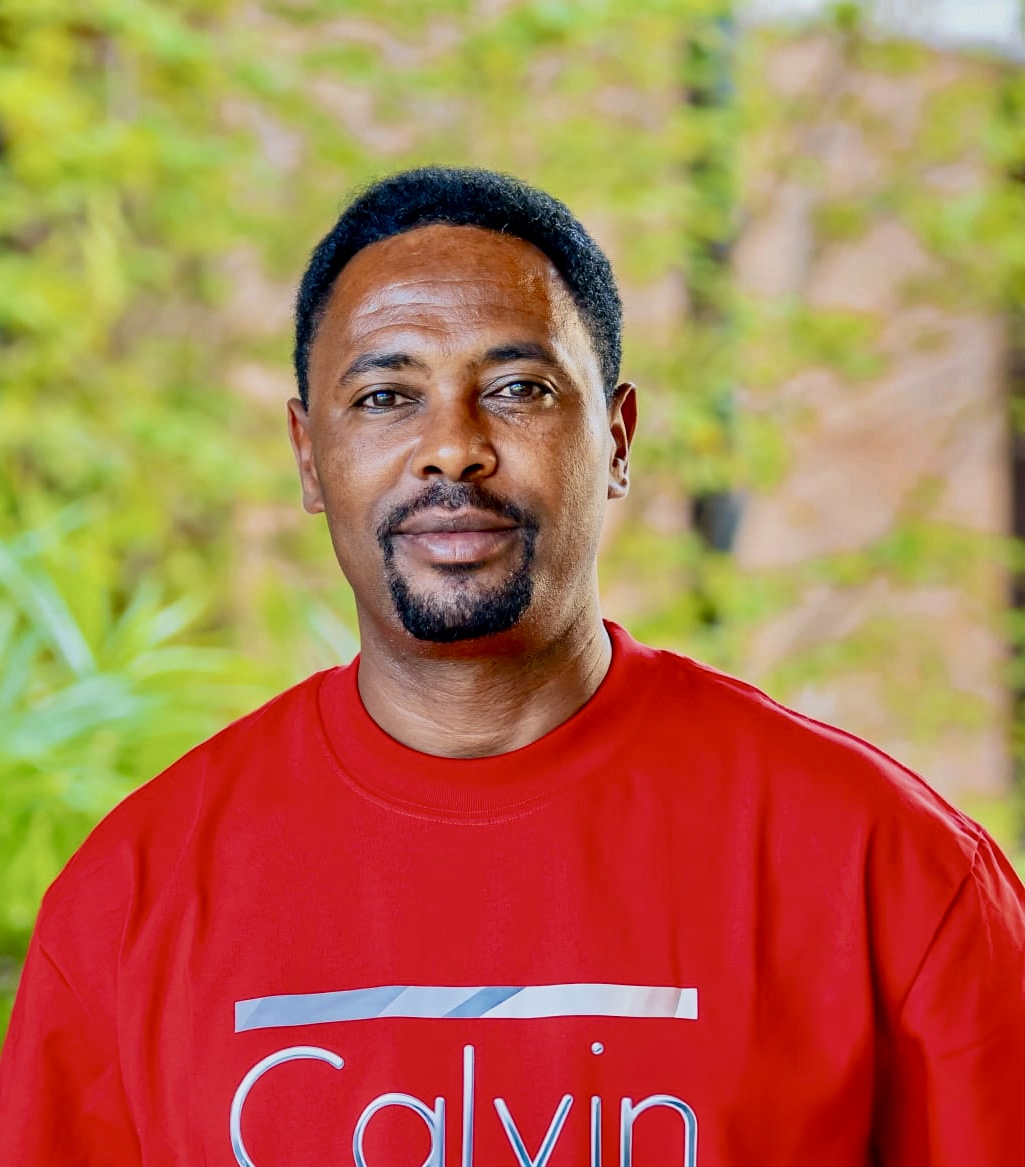
On 27 October 2026, Dr. Tibebu Belete Chane, a RICA faculty member and Senior Lecturer, spoke during an online webinar organized by ShareScreen Africa under the theme, “The Future of Cassava in Africa: Driving Food Security, Climate Resilience and Industrial Growth.”
Dr. Tibebu Belete Chane, RICA faculty member and Senior Lecturer
Dr. Tibebu Belete Chane explained that more than half a billion people consume cassava every day and that Africa produces approximately 65% of the world’s cassava. Yet average yields on African farms remain at about 8.6 tonnes per hectare, far below the 25 to 40 tonnes that well-managed farms can achieve
Addressing an online audience from across Africa, he described cassava as a “living food bank.” The crop tolerates drought and challenging soil conditions, while its roots can remain in the ground until families need them. However, he emphasized that being hardy does not mean cassava can thrive without proper management.
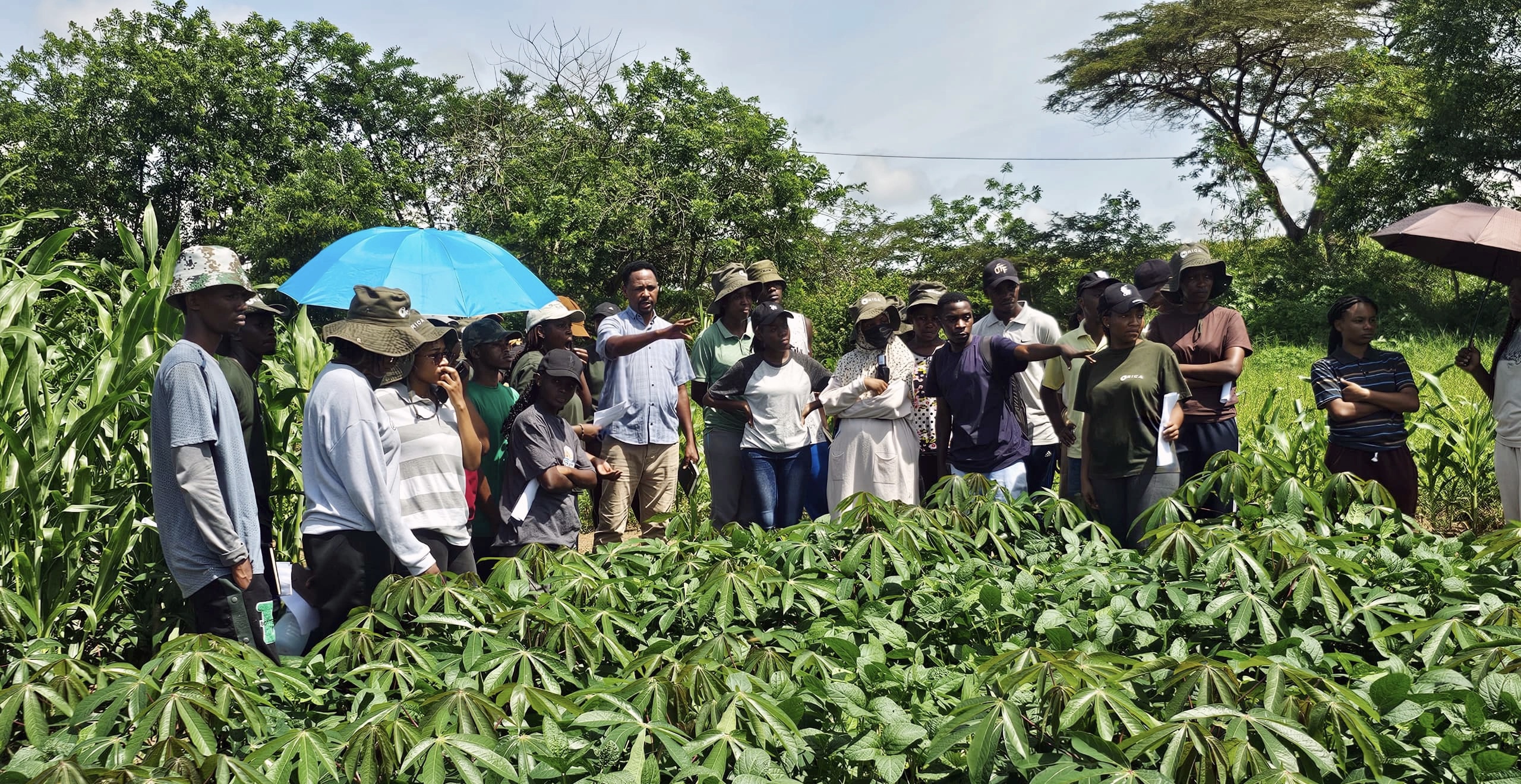
Through conservation agriculture and related soil and water management practices, farmers can create healthier growing conditions for cassava. Protecting the soil, retaining moisture, applying nutrients effectively and minimizing land degradation can help the crop develop stronger roots and deliver higher yields.
Dr. Tibebu shared promising results from Rwanda using the Zai Pit Technique, in which planting holes help retain water and keep manure close to the roots. With improved soil, water and nutrient management, he noted, farmers can potentially double or even triple their cassava yields.
However, he emphasized, production gains must also be protected. He warned that viral diseases remain one of the greatest threats to cassava. In 2014, cassava brown streak disease reduced Rwanda’s national production from approximately 3.3 million tonnes to 0.9 million tonnes. Clean planting cuttings, tolerant varieties and regular field monitoring, he explained, are farmers’ first line of defence.
Recent on-farm trials in Rwanda also demonstrated the potential of improved varieties, which produced approximately 35 tonnes per hectare, compared with the usual 13 tonnes.
Dr. Tibebu concluded that cassava’s future depends on collective action. Farmers need access to clean planting materials and improved production practices. Researchers must continue developing better varieties. Businesses need to invest in processing, while governments should position cassava within national agricultural investment plans.
Indeed, cassava should not be left merely to survive. It deserves the investment to thrive. Healthy soils, clean planting materials, improved varieties, effective disease management and stronger markets can help unlock cassava’s full potential for food security, climate resilience and inclusive industrial growth across Africa.