As the world commemorates World Children’s Day on November 20, the Joint United Nations Programme on HIV/AIDS (UNAIDS) is calling for urgent action to ensure that every child living with HIV has access to life-saving treatment, early diagnosis and quality healthcare, warning that thousands of children continue to face barriers to essential medical services.
In a message marking the international observance, UNAIDS emphasized that every child living with HIV has the fundamental right to life-saving treatment, stressing that access to available medicines and healthcare services should never depend on a child’s age, family circumstances or geographical location.
The organization highlighted several priorities for closing the treatment gap, including identifying and diagnosing children living with HIV at an early stage, improving access to child-friendly medicines and age-appropriate drug formulations, bringing healthcare services closer to families, and supporting children to remain on treatment until they achieve viral suppression.
UNAIDS also called for stronger health systems capable of following children throughout their lives, from early diagnosis and childhood treatment through adolescence and beyond, ensuring that no child is left behind.
Why World Children’s Day Matters
World Children’s Day is observed annually on November 20. The United Nations General Assembly recommended the establishment of Universal Children’s Day in 1954 to promote international friendship, understanding and the welfare of children worldwide.
The date carries particular historical significance because, on November 20, 1959, the United Nations adopted the Declaration of the Rights of the Child. Thirty years later, on November 20, 1989, the General Assembly adopted the Convention on the Rights of the Child, an international agreement establishing fundamental rights for every child.
These rights include the right to life, health, education, protection from violence and discrimination, and opportunities to develop in a safe and supportive environment.
The 2026 observance places emphasis on the theme “My Day, My Rights, My Future,” encouraging governments, institutions, families and communities to listen to children, recognize their rights and take meaningful action to protect their future.
Why UNAIDS Is Highlighting Children Living with HIV
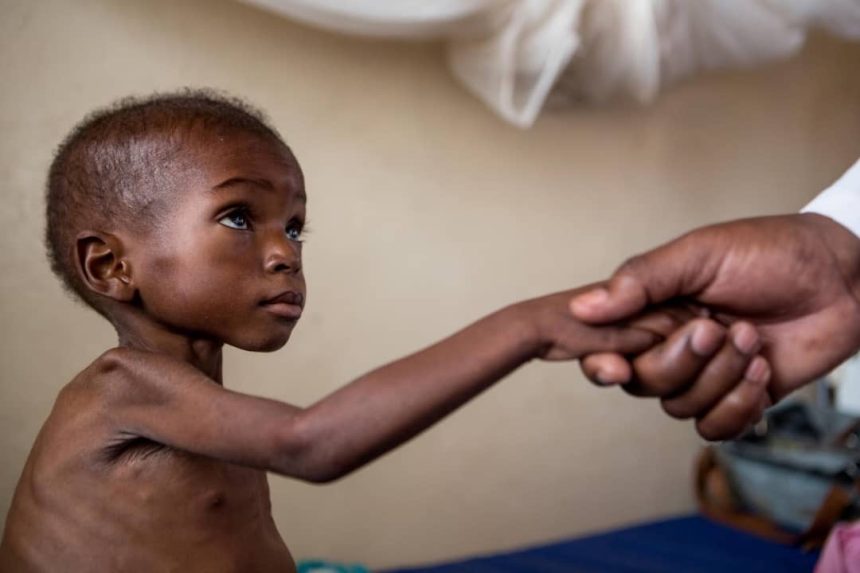
UNAIDS’ decision to emphasize HIV treatment for children on this year’s World Children’s Day draws attention to an important public health challenge: despite significant advances in HIV prevention, diagnosis and treatment, children continue to experience unequal access to essential healthcare.
According to UNAIDS’ 2026 World AIDS Day information, only 55 per cent of children living with HIV were receiving treatment in 2025. This means that nearly half of children living with the virus were not accessing the life-saving medicines they needed.
The treatment gap highlights the difference between having effective medical solutions and ensuring that those solutions reach everyone who needs them.
Children face particular challenges because HIV treatment requires early identification, appropriate medicine formulations and continuous support from caregivers and healthcare providers. Medicines designed for adults may not always be suitable for young children, making age-appropriate formulations and child-friendly treatment options essential.
Furthermore, poverty, limited access to healthcare facilities, stigma, discrimination and interruptions in treatment can prevent children from receiving consistent care.
By bringing this issue into the World Children’s Day conversation, UNAIDS is reminding governments, healthcare institutions, development partners and communities that the right to health must apply equally to children living with HIV.
The Need for Stronger Healthcare Systems
UNAIDS stresses that ending AIDS requires more than developing medicines. It requires effective healthcare systems that can identify children early, provide appropriate treatment and maintain continuous follow-up.
Healthcare providers must strengthen early infant diagnosis programmes, ensure that children receive the correct medicines and dosages, and support families in maintaining treatment schedules.
Achieving viral suppression is particularly important because it means that treatment has reduced the amount of HIV in the body to very low levels, helping people living with HIV maintain their health.
Children also need continued support as they grow into adolescence, a period when maintaining treatment, accessing reliable health information and receiving emotional and social support become increasingly important.
A Call to Governments and Communities
The UNAIDS message is also a call for collective responsibility. Governments must strengthen healthcare services and ensure that essential HIV medicines are available and accessible. Healthcare workers must identify children who may have been missed by existing programmes, while families and communities should help create supportive environments where children can receive treatment without stigma or discrimination.
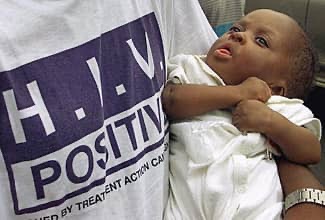
The organization maintains that the world already has the medicines and scientific knowledge needed to treat children living with HIV. The remaining challenge is ensuring that every child can benefit from these advances.
As World Children’s Day draws attention to the rights and future of every child, UNAIDS is placing a clear responsibility on the global community: no child should be denied treatment because of barriers that healthcare systems and societies can overcome.
Its message is clear: Every child. Every treatment. No one left behind.